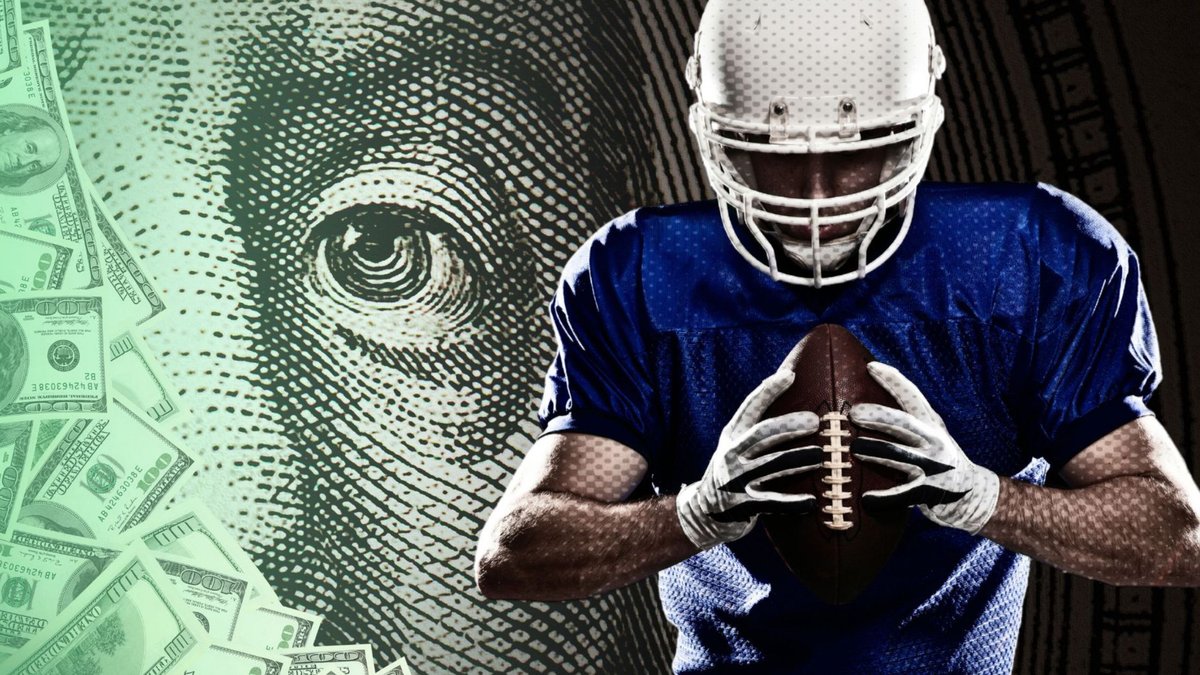
The landscape of college athletics has fundamentally shifted, creating an entirely new era where NIL Opportunities & Endorsements aren't just buzzwords, but a powerful reality shaping athlete futures and the very fabric of collegiate sports. For decades, the notion of amateurism rigidly defined who a college athlete could be, barring them from profiting from their own name, image, and likeness. That's all changed, opening doors to entrepreneurial ventures, personal brand building, and financial empowerment for student-athletes like never before.
This isn't merely about athletes getting paid; it’s about a profound realignment, balancing the cherished traditions of college sports with the modern demands of fairness, professional growth, and individual autonomy. Whether you're an athlete, a parent, a coach, or simply a fan, understanding this evolution is crucial to grasping where college sports are headed.
At a Glance: What You Need to Know About NIL
- A New Era for Athletes: NIL (Name, Image, and Likeness) allows college athletes to monetize their personal brand.
- Beyond Amateurism: This change moved away from strict NCAA rules, influenced by legal battles and public pressure.
- Diverse Income Streams: Opportunities range from local business deals and social media endorsements to national brand partnerships.
- Recruitment Game Changer: NIL potential is now a significant factor in how colleges attract top talent.
- Skill Building: Athletes gain experience in entrepreneurship, contract negotiation, and brand management.
- Challenges Exist: Navigating legal complexities, ensuring fairness, and managing new pressures are key considerations.
- Future-Proofing: It's about more than money; it's about developing a personal brand and life skills that extend far beyond the playing field.
From Strict Amateurism to Athlete Empowerment: How We Got Here
For nearly a century, the NCAA fiercely upheld the principle of amateurism, strictly prohibiting college athletes from receiving any compensation beyond scholarships and limited stipends. The idea was simple: playing for the love of the game, not for profit. This stance, however, began to crack under mounting pressure from various fronts.
Imagine a star athlete whose jersey sells thousands, whose highlights dominate social media, and who packs stadiums – yet couldn't earn a single penny from their own popularity. This stark reality fueled growing public sentiment and ignited legal challenges. One notable figure was Donald De La Haye, a University of Central Florida kicker, who famously lost his scholarship for profiting from his YouTube channel, bringing the issue into sharp focus.
The tide truly turned with legislative action. California's pioneering Fair Pay to Play Act in 2019, followed by similar laws in other states, created a patchwork of regulations that put immense pressure on the NCAA. These state laws threatened to undermine national uniformity and push the NCAA into a corner. Simultaneously, landmark legal cases, particularly the Alston case, further dismantled the NCAA's traditional amateurism model by questioning its limitations on education-related compensation.
By July 1, 2021, the NCAA had no choice but to adjust its rules, officially allowing collegiate athletes nationwide to monetize their NIL. This wasn't a sudden concession but the culmination of years of advocacy, legal battles, and a growing recognition that student-athletes deserved a share in the massive economy they helped create. It signified a crucial realignment, acknowledging that fairness and professional growth could coexist with competitive collegiate athletics.
The Diverse World of NIL Opportunities & Endorsements
Now that the gates are open, what exactly do NIL opportunities look like for today's college athlete? It's far more diverse than just a shoe deal. These endorsements span a wide spectrum, offering creative and lucrative ways for athletes to leverage their unique appeal.
Brand Partnerships & Endorsements
This is perhaps the most visible form of NIL. Athletes can partner with:
- Local Businesses: Think about your favorite local restaurant, car dealership, or clothing boutique. Many small businesses are eager to connect with popular local athletes, offering anything from direct payments to free services in exchange for social media shout-outs, appearances, or promotions.
- National Brands: For high-profile athletes, national brands like apparel companies (Nike, Adidas, Under Armour), sports drink companies (Gatorade, BodyArmor), or tech giants might offer significant endorsement deals. These often involve long-term contracts, ad campaigns, and ambassador roles.
- Apparel & Merchandise: Designing and selling their own branded merchandise (t-shirts, hats, hoodies) is a popular route. Platforms make it easier than ever for athletes to manage their own online stores.
- Gaming & Collectibles: Deals with video game companies, trading card brands, or even creating digital collectibles (NFTs) are emerging as new frontiers.
Social Media Monetization
An athlete's social media presence is a powerful asset. Platforms like Instagram, TikTok, YouTube, and Twitter are ripe for monetization:
- Sponsored Posts: Brands pay athletes to post about their products or services to their followers.
- Affiliate Marketing: Athletes can earn a commission on sales made through unique links or promo codes they share.
- Content Creation: Creating exclusive content for subscribers, running ads on YouTube, or even launching their own podcasts can generate income.
Appearances & Autographs
The classic methods still hold value:
- Public Appearances: Speaking engagements, meet-and-greets, and signing sessions for a fee.
- Camps & Clinics: Hosting youth sports camps or clinics allows athletes to teach skills while earning income and giving back to the community.
- Personalized Messages: Services where fans pay for personalized video messages or greetings from their favorite athletes.
Academic & Skill-Based Opportunities
Beyond the purely commercial, NIL can also extend to educational or skill-based endeavors:
- Tutoring/Coaching: Monetizing specialized skills through individual or group coaching sessions.
- Public Speaking: Sharing their story, experiences, or expertise at events, which also contributes to building your personal brand as an athlete.
The range of opportunities is constantly expanding, limited only by creativity and market demand. Athletes are no longer just performers; they are entrepreneurs, brand ambassadors, and content creators.
The Game-Changing Benefits for Student-Athletes
The most apparent benefit of NIL is, of course, financial compensation. For many student-athletes, this can be life-changing, allowing them to:
- Support Themselves and Their Families: Alleviating financial burdens, covering college expenses not fully met by scholarships, or even contributing to family finances.
- Invest in Their Future: Saving for post-college life, investing in further education, or starting a business. This requires careful consideration of financial planning for NIL income.
- Enhance Their Academic Journey: The ability to earn income can reduce the need for external jobs that might interfere with academic commitments, freeing up time for study.
But NIL is about so much more than just money. It's a powerful catalyst for personal and professional development: - Personal Brand Development: Athletes learn to craft and control their own narrative, showcasing their identity, values, and passions beyond their sport. This empowers them to build a lasting brand that can extend long after their playing days are over.
- Entrepreneurial Skills: From identifying opportunities to negotiating deals and managing revenue, athletes gain invaluable real-world experience in business and entrepreneurship. They learn to be proactive, creative, and strategic.
- Contract Negotiation & Legal Acumen: Engaging with NIL deals requires understanding contracts, terms, and conditions. This firsthand experience in navigating NIL contracts is a crucial skill for any future professional career.
- Networking Opportunities: Collaborating with businesses and brands opens doors to professional networks that can be beneficial for post-athletic careers.
- Role Modeling & Community Impact: Financially empowered athletes can invest in their communities, support causes they believe in, and serve as powerful role models, demonstrating how to balance athletic, academic, and business pursuits. This lifts future generations by showing what's possible.
NIL's Profound Impact on the College Sports Landscape
The ripple effects of NIL extend far beyond individual athletes, fundamentally reshaping the competitive landscape of college athletics, particularly in recruitment.
A New Chapter in Recruitment
Recruiting isn't just about facilities, coaching, or tradition anymore; it's also about a school's NIL environment and the potential income streams it can offer. This has led to a highly competitive market where programs highlight their ability to connect athletes with lucrative opportunities, becoming a key differentiator in how NIL impacts college recruitment.
- Talent Attraction: Top recruits now consider a school's NIL infrastructure – how well it supports athletes in securing deals, provides education on brand building, and connects them with resources.
- Collective Power: Many schools or their booster groups have formed "collectives" – independent organizations that pool funds from donors and businesses to create NIL opportunities for their athletes. These collectives can significantly influence a school's recruiting power.
- Transfer Portal Dynamics: The transfer portal has become a de facto free agency market, with NIL potential heavily influencing athletes' decisions to switch schools in pursuit of better opportunities.
Shifting Team Dynamics and Culture
The introduction of external income streams can also influence internal team dynamics:
- Equity Concerns: Not all athletes will secure the same level of NIL deals. Star quarterbacks might command six-figure deals, while a walk-on track athlete might earn very little. This disparity can raise questions about fairness and equity within a team.
- Focus & Pressure: Managing NIL responsibilities adds another layer of commitment to an already demanding schedule for student-athletes. Balancing sports, academics, and business endeavors can increase pressure, making support systems for college athlete mental health more critical than ever.
- Professionalization: While the NCAA maintains its amateur status, the ability to earn income blurs the lines, leading to questions about the "professionalization" of college sports.
The change isn't without its complexities, but it undeniably ushers in a new era where athletes are recognized not just for their athletic prowess, but for their market value and entrepreneurial spirit.
Navigating the Complexities: Challenges and Pitfalls
While NIL offers incredible opportunities, it also introduces a new set of challenges that require careful navigation from athletes, institutions, and governing bodies alike.
Fairness and Equity Concerns
One of the most significant concerns revolves around the uneven distribution of opportunities and compensation.
- Disparity Across Sports: Athletes in high-revenue sports (football, men's basketball) tend to attract more lucrative deals than those in lower-profile sports (track and field, swimming).
- Star vs. Role Player: Even within the same sport, star athletes will generally have more earning potential than teammates, potentially creating an "NIL hierarchy" within a locker room.
- Gender and Race: While NIL has provided opportunities for female athletes and athletes of color, there's ongoing discussion about ensuring equitable access and compensation across all demographics.
Addressing these disparities requires ongoing dialogue and creative solutions, potentially through institutional support and NIL collectives designed to distribute funds more broadly.
The Blurring Line of Amateurism
The core of the NCAA's historical identity rested on amateurism. NIL directly challenges this, raising fundamental questions:
- What Defines an Amateur? If athletes can earn significant income, what truly differentiates them from professional athletes?
- Recruiting Inducements: The line between legitimate NIL deals and pay-for-play recruiting inducements can be incredibly fine, leading to enforcement challenges. State laws and NCAA guidelines are constantly evolving to address this.
Legal and Contractual Complexities
For athletes, entering NIL agreements means stepping into the often-intimidating world of contracts, endorsements, and intellectual property.
- Understanding Terms: Many athletes lack experience in reviewing complex legal documents, potentially leading to unfavorable terms or unforeseen obligations. This is why resources for navigating NIL contracts are so vital.
- Compliance: Deals must comply not only with NCAA regulations but also with state laws, institutional policies, and federal tax laws. Violations can lead to eligibility issues or financial penalties.
- Representation: The need for legal and financial advisors is paramount, adding another layer of cost and decision-making for athletes.
Increased Pressure on Athletes
Being a student-athlete is already incredibly demanding. Adding NIL responsibilities can intensify the pressure:
- Time Management: Juggling practices, games, travel, academics, and now business meetings, content creation, and brand obligations can lead to burnout.
- Performance Anxiety: Pressure to perform well to maintain or attract NIL deals can add to the stress of competition.
- Scrutiny: Athletes become public figures in a new way, subject to increased media, fan, and brand scrutiny. The need for support systems for college athlete mental health is more urgent than ever.
Monitoring and Enforcement Challenges
The vast number of potential NIL deals makes effective monitoring and enforcement incredibly difficult for the NCAA and institutions.
- Transparency: Ensuring all deals are transparent and above board, without acting as illegal inducements, is an ongoing battle.
- Rule Consistency: The lack of a uniform federal NIL law means rules can vary significantly from state to state, creating a complex web of compliance.
These challenges are not insurmountable, but they highlight the need for robust education, clear guidelines, and strong support systems for athletes as they navigate this new frontier.
A Practical Playbook for Athletes: Seizing Your NIL Potential
Ready to dive into the world of NIL? Here's a practical guide to help you make the most of your opportunities while avoiding common pitfalls.
1. Build Your Personal Brand First
Before seeking deals, understand what you offer. What's your story? What are your values? What unique interests do you have beyond your sport?
- Define Your Identity: Are you the hard-working underdog, the charismatic leader, the academic standout, or the community activist? Your authentic self is your most powerful brand asset.
- Curate Your Online Presence: Social media is your storefront. Ensure your profiles are professional, consistent, and reflect the image you want to project. Brands will check this first. Regularly assess how your digital footprint aligns with building your personal brand as an athlete.
- Engage Authentically: Don't just post; interact. Respond to comments, share insights, and connect with your audience. Authenticity builds trust.
2. Understand the Landscape and Rules
Knowledge is power. Don't sign anything without understanding the rules.
- Know Your School's Policy: Every institution has its own NIL policy, often prohibiting deals with certain categories (e.g., alcohol, tobacco, gambling) or during specific times.
- Understand State Laws: Be aware of the NIL laws in the state where your institution is located, as these can vary widely.
- NCAA Guidelines: While less prescriptive now, general NCAA guidelines still exist, especially regarding inducements and conflicts of interest.
- Seek Education: Many universities offer workshops or resources on NIL, brand building, and financial literacy. Utilize them.
3. Seek Professional Guidance
You wouldn't play a game without a coach; don't enter the business world without advisors.
- Legal Counsel: Get every contract reviewed by an attorney who specializes in NIL or sports law. This is non-negotiable. They can help with navigating NIL contracts, ensuring you understand the terms, obligations, and potential pitfalls.
- Financial Advisor: NIL income is taxable. A financial advisor can help you understand tax implications, create a budget, and plan for your future. This is critical for effective financial planning for NIL income.
- Marketing/Brand Agent (Optional): For higher-value deals, an agent can help identify opportunities, negotiate on your behalf, and manage your brand. Understand their fees and ensure they are reputable.
4. Prioritize Your Commitments
Your primary roles as a student and athlete come first. NIL should complement, not detract from, these.
- Time Management: Develop strong organizational skills. Schedule NIL activities strategically so they don't interfere with practice, games, or academics.
- Set Boundaries: It's okay to say no to opportunities that don't align with your values or that demand too much time.
- Utilize Support Systems: Lean on academic advisors, coaches, and campus resources. If you're feeling overwhelmed, remember that support systems for college athlete mental health are available and important to utilize.
5. Document Everything
Keep meticulous records of all NIL activities.
- Contracts: Store signed copies of all agreements.
- Income & Expenses: Track all earnings and any related business expenses for tax purposes.
- Disclosures: Report deals to your institution as required by their policy.
6. Be Authentic and Consistent
Brands look for authenticity. Stick to products and services you genuinely believe in or would use. Inconsistency or promoting conflicting brands can hurt your credibility. Your personal brand is your most valuable asset, treat it that way.
Common Questions & Misconceptions About NIL
The world of NIL is still relatively new and evolving, leading to many questions and some common misunderstandings. Let's clear a few up.
Q: Do all athletes get paid under NIL?
A: No. NIL is about the opportunity to earn income from your name, image, and likeness. It's not a salary paid by the university or the NCAA. Athletes must actively seek out and secure deals based on their market value.
Q: Can my university pay me for NIL?
A: Generally, no. Universities cannot directly pay athletes for NIL. However, they can facilitate opportunities, provide education, and connect athletes with resources. The money typically comes from third-party businesses or collectives.
Q: Do I need an agent to get NIL deals?
A: Not necessarily, especially for smaller, local deals. Many athletes manage their own partnerships. However, for larger, more complex agreements, an agent can be beneficial for negotiation and identifying opportunities. It's crucial to understand the rules around agent representation in your state and for your sport.
Q: Will NIL deals affect my scholarship?
A: No, NIL income typically does not affect an athletic scholarship, which covers tuition, room, board, and books. However, it can affect need-based financial aid if your earnings exceed certain thresholds. It's important to consult with your school's financial aid office.
Q: Can I just sign any deal that comes my way?
A: No. You must ensure the deal complies with your state's NIL laws, your university's NIL policy, and NCAA guidelines. Some types of endorsements (e.g., gambling, adult entertainment) are universally prohibited. Always get legal counsel to review contracts.
Q: Is NIL just a fad, or is it here to stay?
A: NIL is here to stay. While the rules and enforcement mechanisms may continue to evolve, the fundamental right for athletes to monetize their NIL is now deeply embedded in collegiate athletics. It has fundamentally changed the financial dynamics of college sports and Rivals college perks guide is a good example of how widespread the opportunities have become.
The Evolving Future of College Athletics
NIL has irrevocably transformed college sports, bringing a layer of entrepreneurship and financial literacy to the collegiate experience. It forces us to reconsider the definition of an "amateur" and places a greater emphasis on athletes as individuals with economic rights.
Moving forward, we can expect:
- Increased Regulation (Eventually): A federal NIL standard would bring much-needed consistency, though legislative progress is slow.
- Refined Institutional Support: Universities will continue to develop robust support systems – from educational programs on financial literacy and brand building to compliance assistance.
- The Rise of NIL Tech: More companies will emerge offering platforms, marketplaces, and services specifically designed to connect athletes with brands and manage NIL deals efficiently.
- Greater Athlete Empowerment: As athletes gain more experience and collective power, their voices will increasingly shape the future direction of college sports.
The journey of NIL has just begun, and its trajectory will continue to define the next generation of college athletes and the very essence of collegiate competition.
Empowering Your Journey: A Call to Action
The era of NIL Opportunities & Endorsements is a testament to the power of individual rights and the evolving nature of sport. For student-athletes, this is a chance to step into roles as entrepreneurs, brand managers, and financial stewards of their own future. It’s an opportunity to build a legacy that extends beyond statistics and championships, creating a foundation for lifelong success.
To truly thrive in this new environment, embrace the spirit of learning and proactive engagement. Educate yourself, seek expert advice, and critically evaluate every opportunity. Your athletic career is a finite window, but the skills, network, and brand you build through NIL can open doors for a lifetime. Seize this moment not just to earn, but to learn, grow, and define your own unique path in the world.