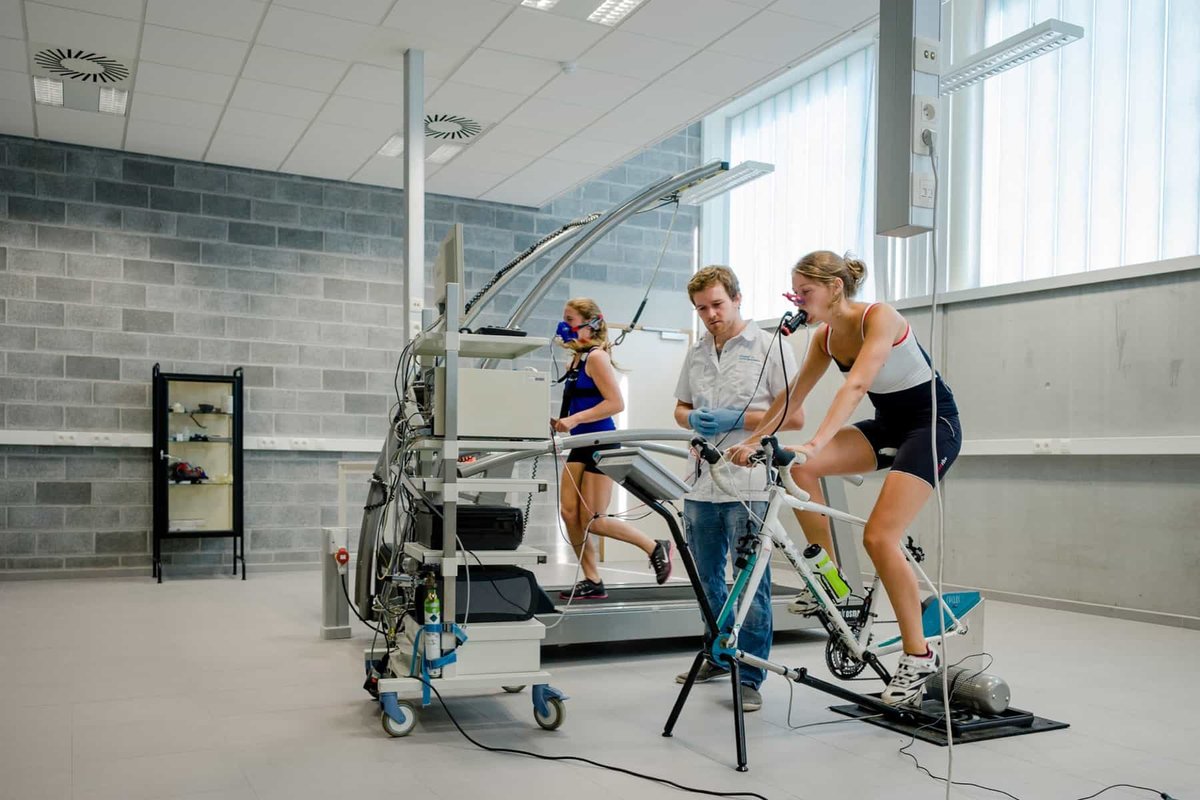
The world is increasingly waking up to a profound truth: preventing illness is often more impactful—and certainly more pleasant—than treating it after the fact. This shift in mindset, coupled with an aging global population and a heightened awareness of holistic well-being, has ignited an unprecedented demand for professionals skilled in promoting health, fostering wellness, and applying cutting-edge sports science.
If you're looking for a career that's not only personally rewarding but also rides the crest of a massive societal wave, exploring health, wellness, and sports science programs could be your next strategic move. These aren't your typical medical degrees; they're comprehensive pathways designed to equip you with the knowledge and practical skills to empower individuals, communities, and organizations toward healthier, more active lives.
At a Glance: What You'll Learn About Health, Wellness & Sports Science Programs
- Diverse Pathways: From Bachelor's to Master's, including robust online options.
- Broad Scope: Beyond medicine, encompassing nutrition, exercise, psychology, stress, and alternative therapies.
- Key Specializations: Focus areas like lifestyle coaching, health promotion, corporate wellness, integrative health, and human services.
- Practical Curriculum: Courses in health behavior, program design, exercise prescription, and ethical practice.
- Dynamic Careers: Roles in health coaching, nutrition, and health program management are in high demand.
- Flexible Learning: Many accredited universities offer online degrees tailored to busy schedules.
- Affordable Options: Opportunities for credit for prior learning, financial aid, and tuition discounts.
Why the Surge in Health & Wellness Careers?
The simple answer is a growing global imperative. Healthcare systems are strained, and there's a recognition that proactive health management can reduce the burden of chronic diseases. People are actively seeking guidance on everything from diet and exercise to stress reduction and mental resilience. This isn't a niche trend; it's a fundamental recalibration of priorities, making fields like health and wellness incredibly vital.
Sports science, too, is experiencing a renaissance. Whether optimizing elite athlete performance, supporting injury recovery, or simply promoting active living for all ages, the scientific understanding of human movement, physiology, and biomechanics is more critical than ever. Professionals in these fields are the architects of a healthier future, working across hospitals, corporate offices, community centers, schools, and even professional sports organizations.
Understanding Health, Wellness & Sports Science Programs
Unlike traditional medical degrees that focus on diagnosing and treating illness, health and wellness programs take a broader, more preventative, and holistic approach. They're rooted in scientific research but extend into practical application, behavioral change, and public health initiatives. Think of it as building a robust fence at the top of a cliff, rather than just running an ambulance service at the bottom.
These programs are multidisciplinary, drawing from areas like biology, psychology, nutrition, exercise physiology, public health, and even business management. This breadth means graduates emerge with a versatile skill set, ready to tackle diverse challenges in a rapidly evolving landscape.
A Spectrum of Degrees: What to Expect
You'll find these programs offered primarily at the Bachelor's (typically a B.S.) and Master's levels. The rise of online learning has made these degrees more accessible than ever, with many accredited universities offering flexible options that cater to working professionals or those juggling other commitments.
The titles themselves can vary widely, reflecting the diverse specializations within the field. You might encounter degrees in:
- Wellness and Nutrition
- Health and Human Services
- Health and Wellness Management
- Kinesiology with a Health Promotion & Wellness concentration
- Integrative Health & Wellness
- Human Services Counseling – Health & Wellness
- Sports and Exercise Science
Don't let the varied names confuse you; the core objective remains consistent: to prepare you to empower others towards healthier, more fulfilling lives.
Diving Deeper: Program Examples and Specializations
Let's explore some real-world examples to illustrate the diverse pathways available within this dynamic field. Each program often carves out a unique niche, preparing you for specific career trajectories.
Focusing on Preventative Health & Lifestyle Coaching
Arizona State University's Online BS in Health Sciences - Healthy Lifestyle & Fitness is a prime example of a program designed with preventative care at its heart. It directly addresses the need for professionals who can guide individuals in making sustainable lifestyle changes. Students learn the science behind healthy living, preparing them for roles as health and wellness coaches. Crucially, it aligns with national health and fitness certifications, including the prestigious National Board Certification for Health and Wellness Coaches. This hands-on approach ensures graduates are immediately employable and recognized in the industry.
Public Health & Community Impact
For those passionate about influencing health at a broader community level, programs like the University of Louisiana Lafayette's Online BS in Kinesiology with a Health Promotion & Wellness concentration stand out. Known for its flexibility and an attractive flat $380/credit hour rate, this program equips students to tackle public health challenges. A significant outcome is its preparation for the Certified Health Education Specialist (CHES) exam, a key credential for roles in public health grant writing, evaluation, and program implementation. This path is ideal if you envision working with advocacy groups, government agencies, or non-profits.
Corporate Wellness and Management
The workplace is a crucial arena for health and wellness initiatives. University of Wisconsin's Online BS & MS in Health and Wellness Management directly targets this growing sector. These programs are tailored for individuals looking to design, implement, and manage corporate wellness programs. The BS curriculum involves 61 credits (21 courses), while the MS requires 36 credits (12 classes), offering progression for those aiming for leadership roles. They even offer a Sustainability and Well-Being certificate, highlighting the interconnectedness of personal and environmental health.
Holistic and Integrative Approaches
Many individuals seek health solutions that blend conventional and complementary practices. Creighton University's Online MS in Integrative Health & Wellness answers this call. This 36-credit hour, asynchronous program offers concentrations in Health and Wellness Coaching and a cutting-edge track in Healthy Aging. A significant benefit is the ability to pursue dual concentrations within the same credit load, providing a truly comprehensive skill set. This program is for those who want to understand the full spectrum of well-being, from mind-body connections to the specific needs of an aging population.
Flexible Leadership in Wellness
For aspiring leaders in the wellness space, Rowan University's Online MA in Wellness & Lifestyle Management emphasizes flexibility. With ten 3-credit courses, it accommodates varied start times, allowing students to learn at their own pace. A capstone project or internship provides invaluable real-world experience, ensuring graduates can immediately apply their knowledge in leadership and management roles within the wellness industry.
Human Behavior and Care Environments
A unique offering comes from Liberty University's Online MA in Human Services Counseling – Health & Wellness. This program delves into human behavior, specifically within nursing or adult care environments. It’s designed for those who want to understand the psychological and social determinants of health, covering areas like health promotion, end-of-life care, and health policies. With specialized courses and optional on-campus intensives, it caters to individuals looking to support vulnerable populations or influence policy in care settings.
Empowering Through Prevention: The Purdue Global Approach
A strong example of a comprehensive online Bachelor's degree in this field is Purdue Global's Online Bachelor of Science Degree in Health and Wellness. This program is explicitly designed to prepare individuals to empower others toward healthier lives, directly addressing the soaring demand in preventative care and wellness industries.
The curriculum is thoughtfully structured to explore diverse approaches to health, integrating mind, body, and spirit concepts. What makes it particularly appealing is its customizability, allowing students to tailor their learning with electives in nutrition or health science. Graduates develop critical skills in support, education, scientific literature evaluation (spanning nutrition, exercise science, health psychology, stress management, and complementary/alternative medicine), and leadership. A culminating capstone project provides practical, real-world learning, ensuring graduates are ready for the workforce. This program is fully accredited by the Higher Learning Commission, assuring quality and recognition.
What You'll Study: A Glimpse into the Curriculum
Across these varied programs, a common thread runs through the coursework: a commitment to scientific understanding combined with practical application. You'll develop a robust foundation that allows you to critically assess health information and effectively guide others.
Core studies typically include:
- Foundations of Health Promotions: Understanding the principles and strategies for promoting health in various settings.
- Basic Human Health (with a nutrition focus): Exploring fundamental physiological processes and the critical role of diet.
- Health Behavior Modification: Learning theories and techniques to help individuals change unhealthy habits and adopt beneficial ones.
- Wellness Initiatives Integration in School Settings: Designing and implementing health programs for educational environments.
- Drugs & Society: Examining the impact of substance use on individual and public health.
- Health Behavior Theory (planning, implementation, evaluation): A deeper dive into the models used to develop, execute, and assess health interventions.
- Health Coaching Concepts & Skills: Developing the communication and motivational interviewing skills essential for effective coaching.
- Exercise Prescription & Chronic Disease Management: Understanding how physical activity can prevent and manage chronic conditions.
- Positive Perceptions & Performance Wellness: Exploring the psychological aspects of well-being, resilience, and optimal performance.
These courses collectively develop essential skills in behavioral change, program design, ethical practice, and a nuanced understanding of the social, environmental, and individual determinants of health.
Charting Your Course: Exciting Career Paths
Graduates from Health, Wellness & Sports Science programs step into a job market brimming with opportunities. Here are some of the most prominent career paths:
1. Health Coaching: Your Partner in Wellness
Health coaches are the frontline motivators and guides, helping individuals set and achieve health goals. They translate complex scientific information into actionable, personalized plans. This role often involves providing nutritional and behavioral advice, encouraging healthier lifestyles, and offering consistent support.
Potential Job Titles:
- Recovery Coach
- Corporate Health Coach
- Community Health Worker
- Wellness Coach
- Lifestyle Coach
The demand for health coaches is soaring as organizations and individuals recognize the value of personalized, ongoing support in achieving sustainable wellness.
2. Nutrition: The Science of Fueling the Body
Nutrition professionals study how food impacts the human body, not just for basic sustenance, but for optimal health, disease prevention, and performance. They provide accurate, evidence-based information, debunking myths and guiding clients toward healthier dietary choices.
Potential Job Titles:
- Nutritionist (note: "Registered Dietitian" typically requires a distinct, accredited dietetics program and supervised practice)
- Food Scientist
- Dietary Manager
- Public Health Nutritionist
- Epidemiologist (often with further specialization)
- Microbiologist (often with further specialization)
These roles can be found in clinical settings, public health departments, food companies, research institutions, and private practice. If you're fascinated by the intricate relationship between what we eat and how we thrive, this could be your calling.
3. Health Program Management: Orchestrating Wellness Initiatives
For those with a knack for organization, leadership, and community engagement, health program management offers a chance to make a large-scale impact. These professionals handle administrative duties, oversee staff, and design and coordinate activities aimed at improving health outcomes for specific populations. This often involves collaborating with various advocacy groups, community leaders, and healthcare providers.
Potential Job Titles:
- Healthcare Coordinator
- Public Health Coordinator
- Health Services Manager
- Wellness Program Manager
- Community Health Program Director
This path requires strong communication, project management, and strategic thinking skills, making it ideal for individuals who enjoy leading initiatives and seeing the tangible results of their efforts in improving public well-being. Understanding the broader health career outlook can further inform your specialization choice.
Choosing the Right Program: Your Decision Checklist
With so many options, how do you pick the program that's best for you? Consider these factors:
- Your Career Goals: Do you want to coach individuals, manage corporate programs, or work in public health? Different programs specialize in different areas.
- Accreditation: Ensure the university and program are accredited by recognized bodies (e.g., Higher Learning Commission). This impacts the validity of your degree and your ability to pursue further education or certifications.
- Curriculum Focus: Review the course catalog. Does it align with your interests? Are there electives that allow for specialization?
- Faculty Expertise: Research the professors. Are they active in their field? Do they bring real-world experience?
- Flexibility: If you need to balance work or family commitments, online or hybrid programs with asynchronous options might be ideal. Exploring the benefits of online degrees can highlight key advantages.
- Cost and Financial Aid: Evaluate tuition rates, fees, and available scholarships or financial aid options.
- Program Outcomes: Look at graduation rates, career placement statistics, and alumni success stories.
- Certifications: Does the program prepare you for specific industry certifications (e.g., CHES, National Board Certification for Health and Wellness Coaches)? This can significantly boost your employability.
- Internship/Capstone Opportunities: Practical experience is invaluable. Look for programs that integrate internships, practicums, or capstone projects.
The Power of Online Learning: Accessibility and Innovation
The rise of online degrees has been a game-changer for Health, Wellness & Sports Science programs. They offer unparalleled flexibility, allowing students from diverse backgrounds and locations to access quality education without relocating or disrupting their current lives.
Online programs often feature:
- Asynchronous coursework: Learn at your own pace, on your own schedule.
- Engaging digital platforms: Interactive discussions, multimedia content, and virtual labs.
- Dedicated student support: Academic advisors, tech support, and career services specifically for online learners.
- Networking opportunities: Connect with peers and faculty from across the globe.
This format makes advanced education a reality for many, democratizing access to these vital career paths.
Admissions and Financial Considerations
Gaining admission to these programs typically requires a high school diploma or GED for Bachelor's degrees. Master's programs will, of course, require an undergraduate degree. But beyond these basics, many universities offer pathways to make education more accessible and affordable.
Take Purdue Global, for instance:
- Accelerated Graduate Program Pathways: This innovative option allows you to weave graduate-level courses into your bachelor's program, saving both time and tuition on your journey to a Master's degree. It's a smart way to get a head start on advanced studies.
- Credit for Prior Coursework: Don't underestimate the value of your existing knowledge and experience. Universities often offer credit for prior college courses, professional training, or even military service. For servicemembers and veterans, significant tuition reductions are also frequently available.
- Federal Financial Aid: The Free Application for Federal Student Aid (FAFSA) is your gateway to grants, scholarships, and student loans that can significantly offset costs.
- Partner Organization Discounts: Many universities collaborate with corporations and organizations to offer tuition discounts to their employees or members. Always inquire if your employer has such an affiliation.
Investing in your education is an investment in your future. Exploring all available financial avenues can make these crucial programs well within reach. Understanding your financial aid options is a critical first step.
Beyond the Degree: Continuous Growth
Earning a degree is a significant milestone, but the fields of health, wellness, and sports science are constantly evolving. New research emerges, best practices shift, and technologies advance. Lifelong learning is not just encouraged; it's essential.
Many graduates pursue further certifications in areas like personal training, specialized nutrition, specific coaching methodologies, or advanced data analytics for sports science. Some may opt for a Master's degree to deepen their expertise, pursue research, or move into higher-level management roles. Others might explore various continuing education paths to stay current.
Your Next Steps: Building a Healthier Future
The burgeoning demand for professionals in Health, Wellness & Sports Science Programs presents an incredible opportunity for meaningful, impactful careers. You're not just choosing a job; you're choosing to be a part of a global movement towards better health and well-being.
Take the time to research programs that resonate with your passions, evaluate their curriculum and outcomes, and explore the financial aid options available. Connect with current students or alumni to gain firsthand insights. This isn't just about finding a degree; it's about finding your path to empowering others and making a tangible difference in the world.
Whether you aspire to coach individuals, manage community health initiatives, optimize athletic performance, or contribute to cutting-edge research, a program in Health, Wellness & Sports Science can provide the foundation you need. The future of health is preventative, personalized, and proactive – and you can be at the forefront of it. Dive deeper into specific specialization guides to refine your focus.