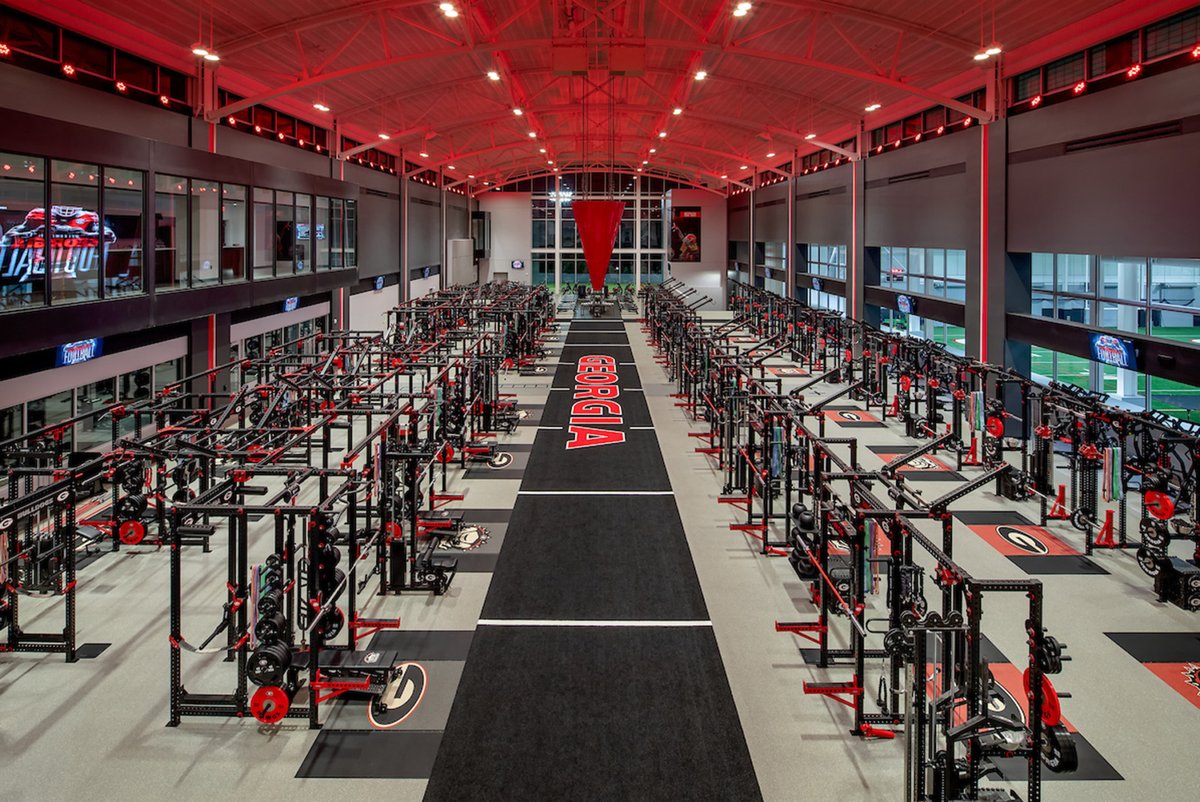
It's no secret: the heart of any thriving sports program, from grassroots youth leagues to elite professional teams, beats within its athletic facilities and training infrastructure. We're talking about more than just a playing field or a gym; we're talking about the meticulously designed ecosystems that shape athletes, host events, and forge communities. Superior infrastructure isn't just a nice-to-have; it's a fundamental investment in performance, safety, and the very future of sports.
At a Glance: What You'll Learn About Athletic Infrastructure
- Beyond Basics: Understand why modern athletic facilities are crucial for athlete development, safety, and community engagement.
- Core Components: Discover the essential elements, from high-performance playing surfaces to smart technology integration.
- Real-World Success: See how institutions like the Indonesian National Army (TNI) are setting global benchmarks with Olympic-level facilities.
- Strategic Planning: Learn key principles for designing, building, and maintaining sustainable, athlete-centric training environments.
- Future Forward: Get a glimpse into smart facilities, green materials, and the evolving role of technology in sports infrastructure.
Why Infrastructure Matters: More Than Just Concrete and Turf
When we talk about athletic facilities and training infrastructure, we’re essentially discussing the physical and organizational backbone of the entire sports ecosystem. Think beyond the visible stadium grandstand. This encompasses everything from the precise engineering of a running track, the strategic placement of lighting, the durability of a court's surface, to the comfort of spectator seating, and even the sophisticated drainage systems that keep play going in all weather. It’s a complex tapestry woven from various elements, each playing a critical role in supporting athletic activities and fostering a vibrant sports culture.
A well-designed facility isn't just about aesthetics; it's a silent coach, a safety net, and an inspiration. It directly impacts athlete performance by providing optimal conditions for training and competition, allowing athletes to push their limits without undue risk. It enhances safety through appropriate materials and design, minimizing injuries. Crucially, quality infrastructure encourages participation at all levels, from beginners discovering a new sport to seasoned pros honing their craft. Beyond the immediate athletic benefits, these facilities often become economic and social hubs, drawing in tourism, hosting major events, and creating jobs—a truly powerful ripple effect.
The Blueprint of Excellence: Key Components You Can't Ignore
Crafting world-class athletic environments requires a deep understanding of several critical components. These aren't just features; they are foundational pillars that dictate everything from athlete safety to long-term operational costs.
High-Performance Playing Surfaces: The Foundation of Every Move
The ground beneath an athlete's feet is arguably the most critical element of any facility. The choice of playing surface directly influences performance, reduces injury risk, and dictates maintenance requirements.
- EPDM (Ethylene Propylene Diene Monomer): Often seen in multi-sport courts and running tracks, EPDM rubber granules offer excellent shock absorption and weather resistance. It’s a versatile choice, providing good grip and durability for various athletic activities.
- PU (Polyurethane): High-performance polyurethane systems are a gold standard, particularly for running tracks. They offer superior shock absorption, energy return, and consistent traction, which is why they are often chosen for professional and Olympic-level venues. The World Athletics (WA) certified Herculan SR Sprint running track system, featuring three high-performance polyurethane layers, exemplifies this standard, providing a top-tier surface for intense training.
- Acrylic: Popular for tennis courts and other hard courts, acrylic surfaces provide a consistent bounce and speed of play. They are durable and can be customized with various cushioning levels to balance player comfort and competitive speed.
- Artificial Turf: Revolutionizing field sports, artificial turf offers a consistent playing surface regardless of weather, significantly reducing maintenance compared to natural grass. Modern artificial turf systems are designed with infill materials to mimic the shock absorption and playability of natural grass, ensuring athlete safety and consistent performance for sports like soccer and football.
Supporting Structures: Functionality and Spectator Experience
Beyond the playing area, a facility's supporting structures ensure smooth operation, safety, and an enjoyable experience for both athletes and spectators.
- Stands and Seating: These are more than just places to sit. Modern stadium seats, like the ergonomic Avant Coolin chairs—certified anti-UV and antioxidant, made from heavy-duty HDPE plastic—are designed for comfort and durability, suitable for both indoor and outdoor use. Thoughtful seating arrangements enhance crowd engagement and safety.
- Lighting Systems: High-quality lighting is non-negotiable for evening training and competition. It needs to provide uniform illumination without glare, meeting specific lux levels for different sports to ensure visibility for both athletes and officials. Energy-efficient LED systems are now standard, offering excellent light quality with lower operational costs.
- Drainage and Water Management: An often-overlooked but crucial component, effective drainage systems prevent water accumulation on playing surfaces, ensuring safety and extending the life of the facility. Proper grading and permeable surfaces are key to handling rainfall efficiently.
Essential Equipment: The Details That Define the Game
From the official score to safety measures, the right equipment completes a training or competition environment.
- Nets, Posts, and Goals: These fundamental pieces of equipment must be robust, properly anchored, and meet sport-specific regulations. Quality materials and installation prevent accidents and ensure fair play.
- Scoreboards and Display Systems: Digital scoreboards, often integrated with timing systems, provide real-time information to athletes and spectators. Advanced displays can show replays, statistics, and advertising, enhancing the overall event experience.
- Digital Integration: Beyond scoreboards, this includes video analysis systems for coaches, timing gates, and even sensor technology embedded in the facility itself, providing valuable data for performance tracking.
Case in Point: Indonesia's Commitment to World-Class Facilities
You don't have to look far to see outstanding examples of athletic facilities setting new benchmarks. The Indonesian National Army (TNI) has made significant strides in developing top-tier sports infrastructure, showcasing a commitment to elevating athlete training and competition standards. Their collaborations with specialized infrastructure developers like Datra highlight what's possible when vision meets expertise.
At the TNI AD Headquarters in Central Jakarta, a cornerstone of their athletic commitment stands. Here, Datra installed Indonesia's first-ever MONDO Sportflex Supex X 720 K39 track. Why is this significant? MONDO tracks are renowned globally for their Olympic-level quality, engineered to optimize athlete performance with superior energy return and shock absorption. This isn't just a running track; it's a high-performance surface designed to help athletes achieve their personal bests safely. Complementing this, the facility boasts 660 ergonomic Avant Coolin chairs. These aren't just any seats; they’re certified anti-UV and antioxidant, made from heavy-duty HDPE plastic, making them incredibly durable for both indoor and outdoor conditions, ensuring spectator comfort and longevity.
Another prime example is the Perkasa Cilangkap Stadium at TNI Headquarters in Cilangkap. This venue features the Mondotrack WS running track, the very same type used in the 2020 Tokyo Olympics. This advanced track offers exceptional slip resistance and traction, crucial for sprinters and long-distance runners alike, allowing for peak performance even in challenging conditions. Along with this, 758 Avant Coolin stadium seats provide comfortable and robust seating for attendees.
Further demonstrating this national commitment, the Indonesian Navy Academy in Surabaya houses a World Athletics (WA) certified Herculan SR Sprint running track system. This system comprises three high-performance polyurethane layers, meticulously designed to meet the rigorous standards of international athletics. This facility serves as a primary training area for Navy soldiers, providing them with an elite environment to develop their physical prowess. Notably, this world-class facility is also open to the public, underscoring a broader vision to foster athletic talent and community well-being beyond military training. These TNI projects vividly illustrate how strategic investment in superior materials and expert construction creates infrastructure that doesn't just meet, but exceeds global standards.
Building for the Future: Design Principles & Best Practices
Creating athletic facilities that stand the test of time, empower athletes, and serve communities requires a forward-thinking approach rooted in specific design principles.
Sustainability First: Green Materials and Energy Efficiency
The environmental impact of construction and operation is increasingly a critical consideration. Sustainable practices aren't just good for the planet; they often lead to long-term cost savings.
- Green Building Materials: Prioritizing materials like recycled rubber, timber from sustainable forests, and low-VOC (volatile organic compound) paints reduces environmental footprint. Companies like PFS Sport, which offer end-to-end solutions for sports infrastructure, often emphasize sustainable and durable materials in their designs.
- Energy Efficiency: Implementing LED lighting, natural ventilation systems, and smart HVAC controls dramatically reduces energy consumption. Solar panels can offset electricity usage, making facilities more self-sufficient and reducing operational costs over their lifespan.
- Water Conservation: Rainwater harvesting for irrigation, low-flow fixtures, and drought-resistant landscaping are crucial for minimizing water usage, especially in regions prone to water scarcity.
Athlete-Centric Design: Optimizing Performance and Well-being
Every element of a facility should be designed with the athlete in mind, focusing on their comfort, safety, and performance needs.
- Ergonomics: From the design of training equipment to the aforementioned Avant Coolin chairs, ergonomic considerations prevent fatigue and injury, promoting better training outcomes.
- Flow and Accessibility: Intelligent layouts minimize travel distances between different training zones, changing rooms, and medical facilities. Universal accessibility ensures that athletes of all abilities can utilize the facility comfortably and safely.
- Recovery Zones: Including dedicated areas for physical therapy, stretching, hydrotherapy, and relaxation supports comprehensive athlete care and accelerates recovery.
Durability & Longevity: An Investment That Lasts
A high-quality facility is a long-term asset. Choosing durable materials and planning for robust maintenance is essential.
- Material Selection: Investing in high-grade, resilient materials for playing surfaces, structures, and equipment reduces the need for frequent repairs and replacements. For instance, the heavy-duty HDPE plastic used in Avant Coolin chairs is chosen specifically for its long-lasting qualities in harsh conditions.
- Maintenance Planning: From day one, establish a detailed maintenance schedule. This includes regular cleaning, inspections, surface repairs, and equipment servicing. Proactive maintenance is always more cost-effective than reactive repairs.
- Weather Resistance: Facilities, especially outdoor ones, must be designed to withstand local climate conditions, from extreme heat and UV exposure to heavy rainfall and wind. Materials should be selected for their specific resistance properties.
Global Standards & Certifications: Ensuring Trust and Quality
Adherence to international standards provides a benchmark for quality, safety, and fairness.
- World Athletics (WA) Certification: For running tracks and field events, WA certification ensures that the surface meets strict performance and safety criteria, making it suitable for international competitions.
- FIFA, FIBA, ITF Standards: For specific sports like soccer, basketball, and tennis, adherence to the respective governing bodies' standards guarantees that the playing environment is suitable for official events.
- Safety Certifications: Beyond sport-specific standards, general safety certifications for structures, lighting, and equipment are paramount to prevent accidents and ensure user well-being.
Smart Facilities: The Next Frontier in Athletic Training
The future of athletic infrastructure is undeniably digital. Smart sports facilities are leveraging technology to create more immersive, efficient, and data-rich environments.
- Sensors and AI: Imagine a running track with embedded sensors that provide real-time data on an athlete's stride length, pace, and ground contact time, instantly fed into an AI system for personalized feedback. Or a weight room where smart equipment tracks reps, sets, and form, adjusting resistance based on an athlete's fatigue level.
- Performance Analytics: Wearable technology combined with facility sensors can create a holistic view of an athlete's performance and recovery. This data empowers coaches to make informed decisions, tailor training programs, and prevent injuries.
- Integrated Facility Management: Smart systems can optimize everything from lighting and HVAC to security and access control, leading to significant operational efficiencies. For example, lights might automatically adjust based on natural light levels or turn off when a section of the facility is unoccupied.
- Virtual and Augmented Reality: VR/AR applications are beginning to be integrated for simulated training environments, allowing athletes to practice complex scenarios or visualize competitive courses before ever stepping onto the physical field.
These innovations are transforming how athletes train, how coaches strategize, and how facilities are managed, pushing the boundaries of what's possible in sports excellence.
The Role of Stakeholders: Who Builds and Why?
Developing high-quality athletic facilities isn't a solo endeavor. It typically involves a collaborative ecosystem of various stakeholders, each bringing unique resources and motivations to the table.
Governments & Institutions: Fostering Public Health and National Pride
National and local governments, along with public institutions like the TNI, often spearhead the development of large-scale athletic infrastructure. Their motivations are broad:
- Public Health: Providing accessible, safe spaces for citizens to engage in physical activity.
- Youth Development: Creating pathways for young talent to develop, from grassroots to elite levels.
- National Prestige: Hosting international events and showcasing national athletic prowess, as seen with facilities like those developed for the Indonesian Navy Academy which are World Athletics certified.
- Economic Impact: Attracting sports tourism, generating revenue from events, and creating jobs.
These entities frequently collaborate with specialized companies to ensure the facilities meet global standards and community needs.
Private Sector & Partnerships: Expertise and Innovation
Specialized companies like Datra (known for their work on TNI facilities) and PFS Sport (offering end-to-end solutions) are crucial partners in bringing these projects to life. They provide:
- Expertise: Deep knowledge in specific areas like track surfaces, seating, or lighting systems.
- Innovation: Access to the latest materials, technologies, and design methodologies.
- Full-Service Solutions: Many offer comprehensive packages, from initial design and material sourcing to installation and maintenance, simplifying complex projects for their clients.
- Quality Assurance: Adherence to international standards and certifications, ensuring the durability and performance of the infrastructure.
Community Involvement: Local Buy-in and Usage
For public facilities especially, engaging the local community is vital. This ensures that the infrastructure meets local needs, fosters a sense of ownership, and guarantees sustained usage. Community input can influence design choices, accessibility features, and programming, making the facility a true community asset.
Investing Wisely: Making Strategic Decisions for Your Project
Embarking on an athletic facility project, whether it's a new build or a major renovation, is a significant undertaking. Strategic planning from the outset is paramount to ensure the investment yields maximum returns.
Needs Assessment: Who, What, and How?
Before breaking ground, a thorough needs assessment is critical.
- Target Users: Who will primarily use the facility? Youth athletes, college teams, professional leagues, or the general public? The answer dictates everything from safety features to amenities. You might want to Explore college athlete perks if you're building for a university, understanding the specific needs of student-athletes.
- Sports & Activities: What specific sports will be played? A multi-sport complex has different requirements than a dedicated track and field stadium. Consider flexibility for future use.
- Capacity & Scale: How many athletes and spectators need to be accommodated? This impacts the size of fields, stands, parking, and support facilities.
- Current Gaps: What existing facilities are lacking, and how will this new infrastructure fill those voids?
Budgeting & Funding: Long-Term Value Over Upfront Cost
While initial costs are important, focusing on the long-term value is a wiser approach.
- Lifecycle Costing: Factor in not just construction, but also maintenance, operational costs (energy, water), and potential future upgrades. A cheaper material upfront might be more expensive over 10 years if it requires constant repair.
- Funding Sources: Explore government grants, private donations, corporate sponsorships, and public-private partnerships. A diversified funding strategy can reduce financial risk.
- ROI (Return on Investment): Consider both tangible returns (event revenue, increased participation fees) and intangible benefits (community health, national pride, athlete development).
Choosing the Right Partner: Expertise, Track Record, and Full-Service Solutions
Selecting the right construction and design partners is one of the most crucial decisions.
- Proven Track Record: Look for companies with a portfolio of successful projects and demonstrable expertise in athletic infrastructure, like Datra or PFS Sport.
- Comprehensive Services: Partners who offer end-to-end solutions, from conceptual design to installation and even post-completion maintenance advice, can streamline the process and ensure consistency.
- Adherence to Standards: Ensure your partner is familiar with and committed to international sports standards and certifications (e.g., WA, FIFA).
- Sustainability Commitment: Prioritize partners who integrate sustainable practices and materials into their work.
Common Pitfalls to Avoid: Learn from Others' Mistakes
- Cutting Corners on Quality: Skimping on materials or expertise almost always leads to higher long-term costs, safety issues, and a shorter facility lifespan.
- Ignoring Future Trends: Building for today without considering tomorrow's technology (like smart facility integration) can quickly render a facility outdated.
- Insufficient Maintenance Planning: A beautiful facility will rapidly deteriorate without a robust, funded maintenance plan.
- Lack of Community Engagement: Facilities built in isolation, without community input, risk underutilization and lack of local support.
Beyond the Finish Line: The Lasting Impact of Superior Infrastructure
The true measure of world-class athletic facilities and training infrastructure extends far beyond the final whistle or the last medal. These investments create a profound, enduring legacy that touches individuals, communities, and even national identity.
Superior infrastructure nurtures talent, transforms athletes, and empowers them to realize their full potential. For young athletes, access to a well-maintained field or track can ignite a lifelong passion for sport. For elite competitors, it provides the marginal gains needed to compete on the global stage, turning dreams into Olympic realities. The Indonesian Navy Academy's WA-certified track isn't just for military training; its public access demonstrates a commitment to broader community athletic development, showing how such facilities contribute to national physical literacy.
Furthermore, these facilities serve as community anchors. They become gathering places where families create memories, neighbors forge bonds, and local pride swells during competitive events. They are engines of economic growth, attracting sports tourism, supporting local businesses, and creating jobs directly and indirectly. Hosting major events, from regional championships to international tournaments, puts a city or nation on the map, showcasing its capabilities and hospitality.
Ultimately, investing in modern athletic facilities isn't just about building structures; it's about building a healthier, more vibrant, and more connected society. It's about laying the groundwork for future champions, fostering active lifestyles, and ensuring that sport continues to inspire and unite us for generations to come.
Your Game Plan for Excellence
You now have a comprehensive understanding of what goes into creating exceptional athletic facilities and training infrastructure. From the critical importance of choosing the right playing surfaces to embracing smart technology and strategic partnerships, every decision shapes the future of your athletic endeavors.
Whether you're developing a new community sports center, upgrading a university athletic complex, or planning an elite training academy, remember these key takeaways: prioritize athlete safety and performance, embrace sustainable practices, think long-term about durability and maintenance, and align with partners who can deliver global-standard quality. The facilities you build today will not only elevate sports excellence but also leave a lasting, positive impact on all who experience them. The game starts with the infrastructure.